


















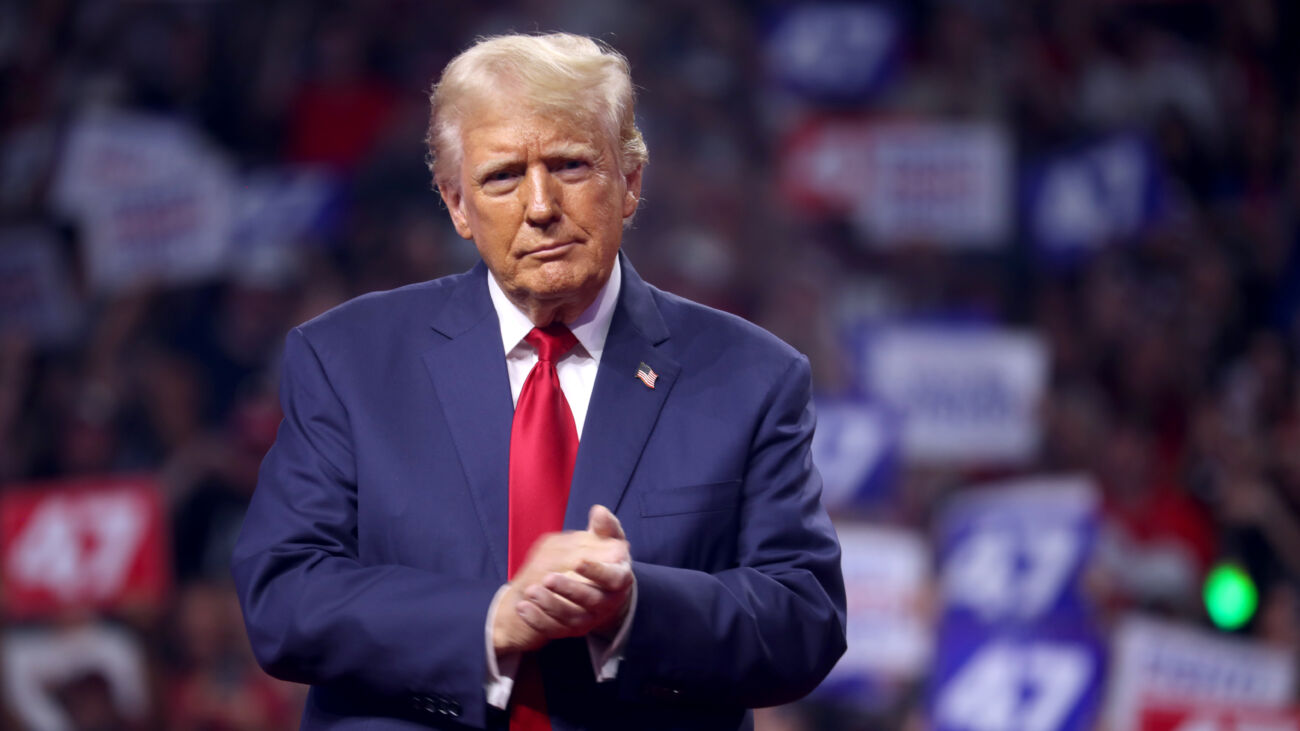
European Council President António Costa has urged US President Donald Trump to demonstrate “respect” towards the European Union following his remarks labeling Europe as a “decaying” collection of nations governed by “weak” leaders.
“We honor the decision of the American people, and in return, they should honor the democratic decisions made by our citizens. When all the leaders elect me as President of the European Council, President Trump is obliged to respect this. Just as we acknowledge that American citizens chose him as President of the United States. This is how allies should conduct themselves with one another,” Costa stated.
In reaction to Trump’s harsh comments regarding Europe, Paula Pinho, Chief Spokesperson for the European Commission, remarked, “We are very pleased and grateful to have outstanding leaders, beginning with the leader in this house, President of the European Commission von der Leyen, whom we are truly proud of, and who is capable of guiding us through the numerous challenges facing the world.”
What did Trump say?
In an interview with Politico, Trump accused long-time US allies of not doing enough to control migration or resolve the Russia-Ukraine conflict, indicating his willingness to support European political figures who align with his policy perspectives.
“I believe they are weak,” Trump commented regarding Europe’s political leaders. “However, I also think they strive to be excessively politically correct.”
“I believe they are uncertain about how to proceed,” he continued. “Europe is at a loss for what to do.”
These statements represent Trump’s most forceful public criticism of European political leadership to date, heightening tensions with nations such as France and Germany, whose relationships with his administration are already significantly strained.
Despite facing challenges domestically, Trump continues to wield considerable influence over international matters.
European capitals were recently alarmed by the unveiling of Trump’s new National Security Strategy, a provocative document that positioned his administration in opposition to the mainstream European political establishment and pledged to “cultivate resistance” to the existing European framework on immigration.