


















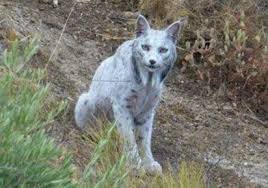
In a recent wildlife research breakthrough, a Spanish photographer captured the first-ever image of a white Iberian Lynx. This photograph captivated wildlife enthusiasts as a video featuring one of the rarest cat species circulated on social media.
The animal displays a pale white coloration, striking cat eyes, dark ear tufts, and coarse facial fur. Experts analyzing the image have proposed that the cat may have a genetic condition known as leucism, which results in a partial loss of pigmentation.
Most Endangered Felines
The white Iberian Lynx is considered the most endangered feline species in the world. The photograph was taken in the mountainous region of Jaen in southern Spain.
As reported by the World Wildlife Fund (WWF), the Iberian Lynx is smaller and lighter than its Eurasian relatives, which typically have long legs, tufted ears, and a short, black-tipped tail. Its typical coat is tawny with dark spots, making it a striking sight for observers.
On the Brink of Extinction
Approaching extinction, the Iberian Lynx population dramatically declined to just two breeding populations by 2002. Intensive conservation efforts, habitat restoration, and the recovery of prey species have enabled this species to achieve one of the most remarkable comebacks in wildlife history.
Residents of the area have long viewed white lynxes as extraordinary mystical beings, with folklore depicting ghostly cats that are often seen traversing the hills.
The resurgence of the lynx symbolizes genetic heritage and inheritance following years of habitat conservation efforts, offering hope for a sustainable future.