


















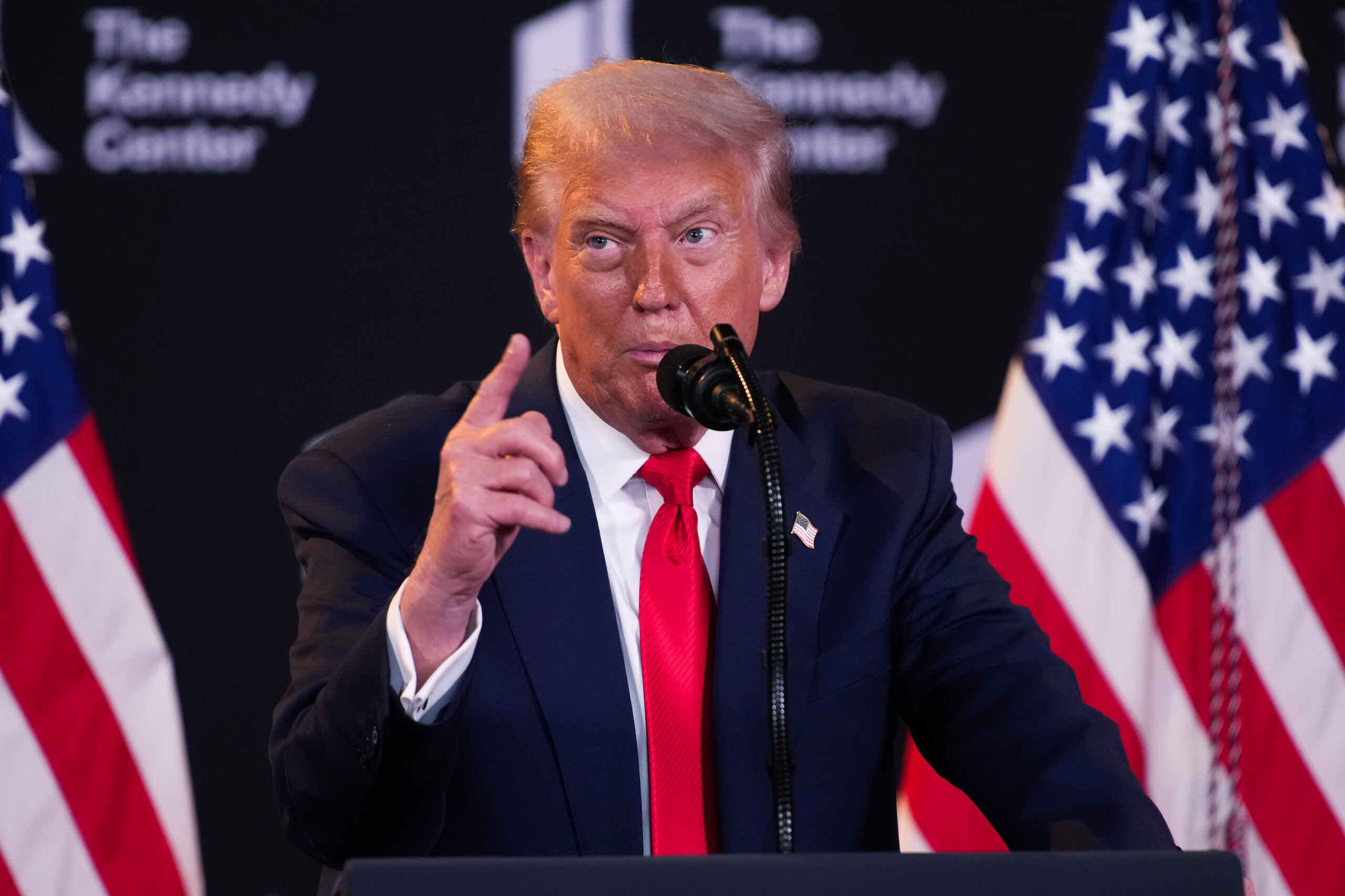
On Tuesday, President Donald Trump indicated that the US government is likely on the verge of its first shutdown in over six years, as funding is set to expire at midnight and negotiations between Democrats and Republicans remain stalled.
“We’ll probably have a shutdown,” Trump was quoted by AFP as saying to reporters in the Oval Office just hours before the deadline for an agreement.
“Nothing is inevitable, but I would say it’s probably likely,” he further remarked.
This warning from Trump came after a last-minute meeting at the White House on Monday that did not yield any significant progress.
Following the meeting, top Senate Democrat Chuck Schumer stated that “large differences” still exist between the two parties.
Trump, attributing the deadlock to the Democrats, also warned that he might leverage a potential shutdown to target progressive initiatives and implement extensive cuts to public sector jobs.
“We can do things during the shutdown that are irreversible and detrimental to them… such as eliminating a large number of positions, cutting programs they favor,” Trump stated.
Despite being in the minority in both chambers of Congress, Democrats have been striving to exert some influence over the federal budget process, eight months into Trump’s contentious second term, which has already seen significant dismantling of major government agencies.
In the 100-seat Senate, passing funding legislation necessitates 60 votes — a threshold that Republicans are currently seven votes short of.
With no compromise in sight, the Senate was anticipated to vote in the afternoon on a short-term funding bill that has already received approval from the House, although the chances of its passage remain low.
Should no agreement be reached, a government shutdown would halt nonessential operations, leaving hundreds of thousands of federal employees without pay and potentially disrupting critical social welfare programs.
US government shutdowns are highly unpopular, prompting both Democrats and Republicans to strive to prevent such situations, while each side blames the other in the event of a closure.
Republicans have suggested extending current funding until late November, while negotiations for a more permanent spending plan are underway.
Democrats are advocating for the restoration of hundreds of billions of dollars in healthcare funding for low-income families, which is likely to be cut by the Trump administration.
The House has already approved a seven-week stop-gap funding measure, and Republican Speaker Mike Johnson has attempted to pressure Senate Democrats by not reconvening his chamber in Washington this week.
However, many Democrats have arrived, and House Minority Leader Hakeem Jeffries gathered numerous members in front of the US Capitol to criticize Republicans for being “on vacation” as the shutdown approaches.
“We will not endorse a partisan Republican spending bill that continues to undermine the healthcare of the American populace – not now, not ever,” he stated.
The deadlocked Congress frequently faces deadlines to reach agreements on spending proposals.
In March of this year, as the threat of another shutdown loomed, Republicans declined to engage in discussions with Democrats regarding significant budget cuts and the potential layoffs of thousands of federal workers.
Senate Democrats, albeit reluctantly, provided the necessary votes to resolve the impasse, but this decision incited anger within the party’s base.
The longest and most recent shutdown in history occurred during Trump’s first term, when government operations were suspended for 35 days starting in December 2018.