

















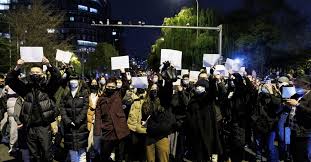
A report from Freedom House’s China Dissent Monitor indicates a significant increase in the occurrence of ‘economic protests’ in China, particularly following the initiation of a trade war by US President Donald Trump with the world’s second-largest economy.
As China navigates a significant tariff conflict with the world’s largest economy, it may also be facing a more profound crisis domestically, posing a dual challenge for the ruling Communist Party. A report from Freedom House’s China Dissent Monitor indicates a sharp increase in ‘economic protests’ within China, particularly following the initiation of a trade war by U.S. President Donald Trump against the world’s second-largest economy.
The report highlights a 41 percent increase in economic protests in the fourth quarter compared to the previous year.
“The ongoing economic downturn in China is resulting in heightened social unrest and dissent among the populace,” the report states.
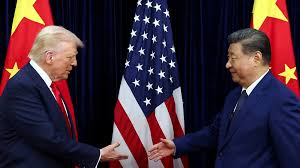
The Trump administration has implemented a substantial new tariff of up to 245 percent on Chinese imports, significantly intensifying the trade dispute between the two countries. According to a fact sheet released by the White House late Tuesday, this action is a direct reaction to Beijing’s recent export limitations and retaliatory tariffs. This latest development represents one of the most aggressive measures taken in the ongoing trade conflict, underscoring the escalating tensions between these two economic giants.
Protests have been on the rise since the easing of Covid-19 restrictions
The report notes that the frequency of protests in China has increased since the relaxation of Covid-19 restrictions in 2022. In the aftermath of the pandemic, China experienced a surge in unemployment and a worsening housing crisis, which have contributed to these protests.
It is important to note that protests and expressions of dissent are uncommon in China and are typically met with a strong response from the Communist regime. While minor disputes and localized incidents occur frequently, large-scale, coordinated protests are rare.
Economic concerns are likely to intensify
Moreover, economic concerns are anticipated to escalate as the new U.S. tariffs come into effect, with growing apprehension among households regarding job security, income stability, and potential investment losses.
Morgan Stanley reports that approximately 44 percent of consumers in China are now worried about the possibility of job loss for themselves or their family members, as indicated by a survey conducted shortly after the latest tariff increases between the United States and China.
In line with these apprehensions, a job openings index created by QuantCube Technology, based in Paris, has revealed a significant drop—nearly 30 percent year-on-year in the last two months. This index is based on online job advertisements from over 2,000 companies, underscoring a wider deceleration in hiring across various industries.