


















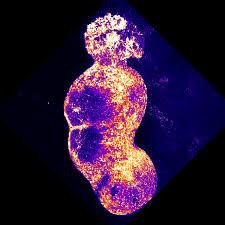
A research team at Stanford University has achieved a groundbreaking milestone by successfully creating a functional brain circuit in a laboratory setting. This was accomplished by integrating various types of neurons derived from human stem cells, as reported.
Researchers have successfully recreated the sensory pathway that transmits pain signals to the human brain in a laboratory setting. This significant achievement enhances our understanding of pain processing and may lead to more effective treatments for chronic pain conditions.
As reported by the Financial Times, a research team at Stanford University has pioneered the assembly of a functional brain circuit in a lab dish by integrating various types of neurons derived from human stem cells.
This groundbreaking study, published in Nature on Wednesday, signifies a notable advancement in synthetic biology and the replication of living tissues.
When subjected to sensory stimuli, the engineered brain circuit exhibited waves of electrical activity. Notably, the application of capsaicin—the active component that gives chili peppers their heat—elicited a robust neural response, as highlighted in the report.
Sergiu Pașca, the project leader, informed the Financial Times that these findings could expedite the understanding of how the human nervous system processes pain, potentially leading to innovative treatments for neurological disorders.
“Now that we can model this pathway non-invasively, without the use of animals, we hope to discover better therapeutics for chronic pain,” Pașca stated, according to the Financial Times.
He further remarked, “The most effective medications available today are opioids, which have their origins in poppy seeds from thousands of years ago and are highly addictive.”
The report indicates that the research team began by reprogramming skin cells into stem cells, subsequently guiding them with chemical signals to develop four types of organoids—miniature 3D structures that replicate essential regions of the human pain pathway, from skin sensory neurons to cortical neurons in the brain.
These organoids were arranged side by side in a culture dish, and over approximately 100 days, they merged into a single synthetic brain circuit, or “assembloid,” measuring nearly 1 cm in length and comprising around 4 million cells.
The report indicated that neural connections established between the organoids resulted in synchronized electrical activity patterns.
Pașca remarked, “You would never have been able to see this wavelike synchrony if you couldn’t watch all four organoids connected, simultaneously.”
He further stated, “The brain is more than the sum of its parts.”
According to Pașca, these synthetic brain circuits could facilitate the development of more precisely targeted pain therapies that mitigate excessive neurotransmission waves without interfering with the brain’s reward system, unlike opioids.
He clarified that the assembloids themselves do not “feel pain,” explaining, “They transmit nervous signals that are processed by a second pathway going deeper into the brain, which provides us with the aversive, emotional aspect of pain.”
While this advancement represents a notable progress, Pașca emphasized the ethical implications of organoid research as scientists aim to create increasingly complex brain-like structures.
“We are considering very carefully how this work advances, given the significant need to comprehend psychiatric disorders and the potential risk of developing something akin to a human brain,” he was quoted as saying by the Financial Times.
Guo-li Ming, a neuroscience and psychiatry professor at the University of Pennsylvania who did not participate in the study, commended the research for its capacity to uncover elements of human neural circuitry that cannot be replicated by animal models.
“This model offers the chance to investigate the intricate neural network activity that connects sensory input to the cortex, which was previously unattainable,” he stated to the Financial Times.
Stanford has submitted a patent application for the assembloid technology but has not yet determined its commercialization strategy.