


















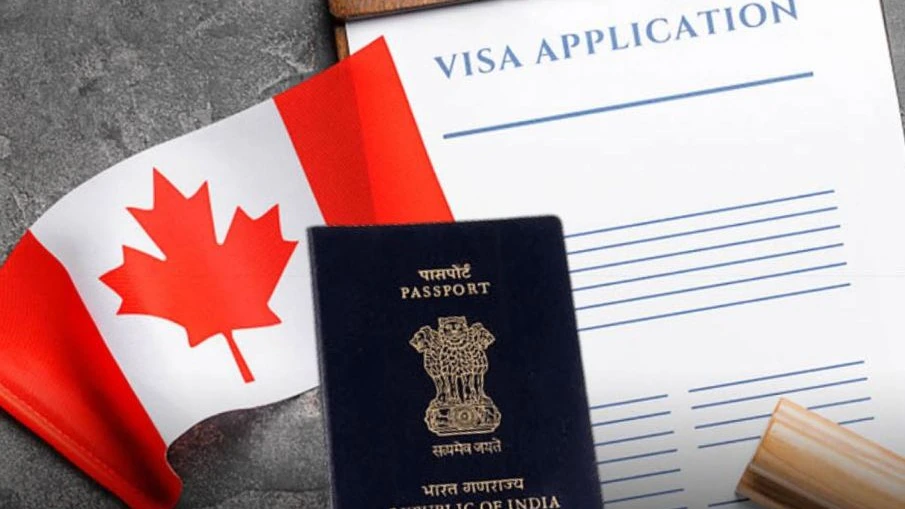
Canada has implemented substantial modifications to its immigration policies as part of its recent efforts to limit migration.
The revised Immigration and Refugee Protection Regulations empower border officials to revoke temporary resident documents, including electronic travel authorizations (eTAs) and temporary resident visas (TRVs).
This alteration may have negative repercussions for students, employees, and temporary residents residing in Canada.
The new regulation took effect on January 31.
Canada remains a favored destination for Indian students seeking higher education. According to the Ministry of External Affairs (MEA) of India, approximately 427,000 Indian students are currently enrolled in Canadian institutions.
These updated regulations are part of a wider array of changes that Canada is enacting as it revises its immigration policies. Notably, this includes the discontinuation of the Student Direct Stream (SDS) visa program by late 2024.
Canadian border officials now possess the authority to annul visas.
Under the new regulations, immigration and border officers in Canada have enhanced powers to cancel electronic travel authorizations (eTAs), temporary resident visas (TRVs), work permits, and study permits under certain conditions.
Canada is home to a significant Indian population, with over 1.35 million individuals of Indian descent residing in the country, as reported by the 2021 Census.
Indians in Canada
In recent years, Canada has emerged as a preferred destination for Indian immigrants. The influx of Indians migrating to Canada surged from 32,828 in 2013 to 139,715 in 2023, representing a remarkable increase of 326 percent.