

















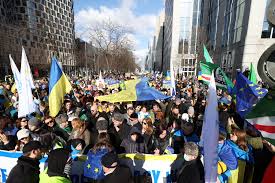
Public support for Ukraine’s efforts to achieve victory in its conflict with Russia has diminished over the past year, as indicated by a recent survey.
In 2024, both the backing for Ukraine and its military advancements have deteriorated, coinciding with Russia’s successful operations throughout the year. At the beginning of the year, Russia seized Avdiivka and has subsequently taken control of Vuhledar and Ukrainsk, advancing to the outskirts of Pokrovsk, marking a significant achievement for Russia in recent times.
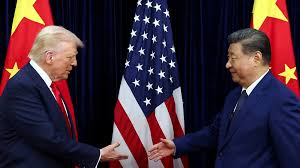
With Donald Trump poised to take office in the United States next month, the future of Western support for Ukraine appears uncertain. Trump has consistently criticized U.S. assistance to Ukraine and has maintained amicable relations with Russia. His administration has shown a preference for seeking an end to the conflict, regardless of the implications for Ukraine.
In light of these developments, a YouGov survey has revealed that support for Ukraine “until it wins” has reached its lowest point in a year.
The willingness to back Ukraine until its victory has decreased to 50 percent from 57 percent in Sweden, from 51 percent to 40 percent in Denmark, and from 50 percent to 36 percent in the United Kingdom, as reported by The Guardian, which published the survey findings.
From January to December 2024, support for a negotiated resolution to the war has increased, rising from 45 percent to 55 percent in Italy, from 38 percent to 46 percent in Spain, from 35 percent to 43 percent in France, and from 38 percent to 45 percent in Germany, according to the survey.
Despite advocating for a negotiated settlement, the survey indicated that support for an agreement permitting Russia to retain control over the territories it has occupied is limited. Majorities in Sweden (57 percent), Denmark (53 percent), and the UK (51 percent), along with a notable minority in Spain (43 percent), expressed negative sentiments towards such an outcome. This perspective was shared by only 37 percent in France and 31 percent in Germany and Italy.
The decline in support for Ukraine has coincided with the emergence of pro-Russia far-right parties throughout Europe that express their backing for Russian President Vladimir Putin. These parties have gained confidence following Trump’s election victory in the United States, as he shares their admiration for Putin, a sentiment echoed by many of his incoming administration officials, including Tulsi Gabbard, who has long propagated Russian narratives concerning Ukraine and Europe.
Trump has consistently asserted that the conflict in Ukraine must conclude as soon as possible, claiming he could resolve the situation within 24 hours of assuming office.
With the exception of a single instance during a Fox News interview, Trump has not elaborated on his proposed methods for achieving a ceasefire.
Highlighting his personal connections with both Putin and Ukrainian President Volodymyr Zelenskyy, Trump has stated that he could facilitate a ceasefire within a day. He remarked, “I know Zelenskyy very well and I know Putin very well — even better. I had a very good relationship with both of them. I would tell Zelenskyy, ‘no more [assistance]. You need to negotiate a deal.’ I would inform Putin, ‘if you do not reach an agreement, we will provide Ukraine with substantial support — more than they have ever received if necessary.’ I will finalize the deal in one day — just one day,” Trump stated in a previous Fox News interview.