


















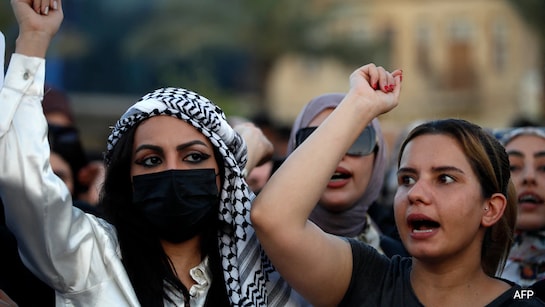
Iraq is on the verge of revising its marriage laws, potentially reducing the legal age of consent from 18 to nine, thereby permitting older men to wed young girls, as reported by The Telegraph. Influential Shia Muslim factions within the Iraqi Parliament have put forth an amendment to the nation’s “personal status law,” which could lead to a significant regression in women’s rights reminiscent of Taliban policies. Should this amendment be enacted, it would strip Iraqi women of their rights to divorce, child custody, and inheritance.
Dr. Renad Mansour, a senior research fellow at Chatham House, noted in the publication, “This is the closest it has ever been. It has gained more momentum than ever before, mainly due to the Shia parties.”
He clarified, “Not all Shia parties are involved; it is specifically those that hold power and are actively advocating for this change. Emphasizing the religious aspect serves as a strategy for them to reclaim some of the ideological legitimacy that has diminished in recent years.”
The proposed amendments would represent a departure from the 1959 legislation, known as Law 188, which was enacted following the collapse of the Iraqi monarchy. This law shifted the authority over family law from religious leaders to the state judiciary. The coalition of Shia Muslim parties argues that the proposed changes are in accordance with a stringent interpretation of Islamic law and aim to safeguard young girls from ‘immoral relationships.’
1. Efforts to amend the law have been made in the past; however, this marks the first occasion where Iraqi lawmakers appear poised to successfully enact the changes. A second reading of the proposed amendment was approved in September of this year. Critics of this initiative have condemned the government and members of parliament for their attempts to undermine women’s rights. Concurrently, human rights organizations have expressed concerns that the new legislation could expose young girls to sexual and physical violence. According to UNICEF, despite the prohibition of child marriages established in the 1950s, 28 percent of girls in Iraq are still married before reaching the age of 18. A significant loophole exists in the law, permitting religious leaders to officiate these marriages rather than the courts, which enables underage girls to be wed to older men with parental consent.