

















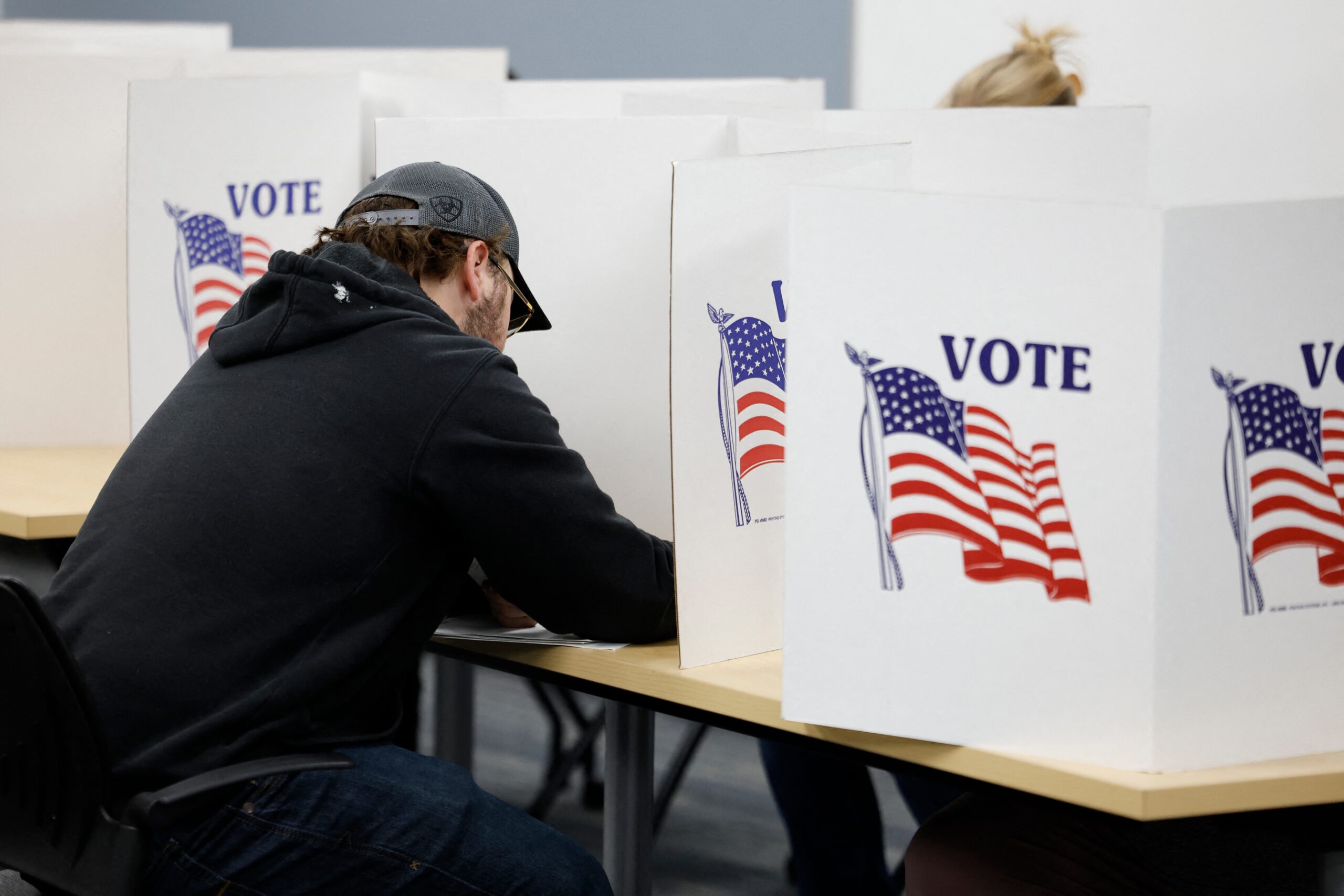
This year’s election is being characterized as one of the most pivotal contests in the history of the United States, with far-reaching implications for the global landscape. The following points elucidate this significance.
US-China Trade Relations
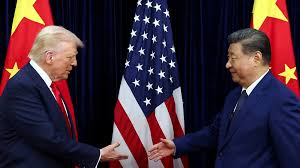
The ongoing trade conflict between the United States and China stands as a primary factor contributing to the current global fragmentation. During his administration from 2016 to 2020, former President Trump initiated a policy shift towards China, implementing increased tariffs on Chinese goods and pledging to reduce the trade deficit. He accused China of exploiting international economic frameworks, such as the World Trade Organization (WTO), and claimed it was responsible for “the greatest theft in the history of the world.”
The Biden administration has not completely reversed Trump’s policies. In fact, initiatives such as AUKUS and a renewed emphasis on the Quad have strengthened security alliances aimed at countering China. Conversely, the policy trajectories established by both Trump and Biden over the past eight years have led to a closer alignment between China and Russia, exacerbating the divisions between the Global West and the Global East.
Consequently, much depends on the next President of the United States—will the new leader exacerbate existing divides, making global cooperation increasingly challenging, or will they advocate for collaboration to mitigate further global fragmentation?
Democracy versus Authoritarianism
According to a 2023 report by the Carnegie Endowment for International Peace, American society is “emotionally polarized.” Notably, the report suggests that Americans may not be as ideologically divided as they perceive themselves to be, indicating potential common ground on various critical issues, including abortion and gun violence.
Both parties exhibit mutual animosity, which hinders any substantial dialogue. The United States, recognized as the world’s oldest democracy, is frequently regarded as a benchmark for the efficacy or shortcomings of democratic governance, particularly in an era marked by increasing authoritarianism. The ability to build consensus is an essential characteristic of a functioning democracy. The newly elected President of the United States must embody the role of a unifier and consensus builder to genuinely represent the principles of the liberal world order.
Transfer of Power
Another fundamental democratic principle is the respect for the people’s mandate and the facilitation of a seamless transition of power. There are legitimate fears regarding a potential recurrence of the January 6 insurrection should Donald Trump face defeat once more. The Republican Party appears to be laying the groundwork for contesting the election results in the event of an unfavorable outcome. Trump’s assertion that the 2020 election was fraudulent has resurfaced during the final stages of the current election cycle.
In a notable yet concerning development, a report from Policy Horizons Canada, a think tank, cautioned Ottawa to remain vigilant about the potential for civil unrest in the United States. Although this warning was encapsulated in a single sentence within the lengthy report titled Disruptions on the Horizon, it stated, “…ideological divisions, democratic erosion, and domestic unrest escalate, plunging the country into civil war.” While the likelihood may be remote, the mere consideration of such unrest is troubling for a world that cannot afford further economic disruptions.
Immigration Policy
Trump has pledged to launch the most extensive deportation campaign in American history if he regains power. According to a Pew survey, approximately 63% of Trump supporters advocate for a national initiative to deport undocumented immigrants currently residing in the United States. The report highlights a growing intolerance towards immigrants, noting that since 2021, the percentage of voters supporting a national law enforcement effort to deport undocumented immigrants has risen by 11 percentage points, from 26% to 37%.
Kamala Harris’s campaign advertisement, titled ‘Tougher’, has also emphasized a more stringent approach to immigration. There is a growing perception that she has distanced herself from her previous advocacy for the decriminalization of illegal border crossings.
Currently, simultaneous conflicts are unfolding from Ukraine to Gaza. According to the office of the UN High Commissioner for Refugees, the global refugee count is projected to reach 43.4 million by the end of 2023. This situation calls for nations, particularly the wealthiest, to adopt a humanitarian perspective on the issue. In this light, a more rigorous immigration policy may signal to the international community a trend towards fortifying borders against those seeking refuge.
Resolution of Conflicts
What direction will the tensions in Ukraine and Gaza take under the new U.S. President? Trump asserts that he can swiftly bring an end to the war in Ukraine. However, there is concern in Europe that this may involve conceding Ukrainian territory to Putin. Conversely, should Harris assume office, it is unlikely that there would be a significant shift from the Biden administration’s stance on Ukraine.
Regarding Gaza, Trump has suggested that Netanyahu should expedite military actions, indicating a potential escalation in the conflict. Although Kamala Harris has faced criticism for her alignment with the Biden administration’s support of Israeli operations in Gaza, some believe her recent focus on the humanitarian dimensions of the situation may create opportunities to exert pressure on Netanyahu regarding his military actions.
The ongoing wars and conflicts that are destabilizing the world can only be addressed through the political resolve of the leader of the global hegemon, the United States of America.