

















On Wednesday, Turkey conducted airstrikes against Kurdish militant positions in Iraq and Syria as a response to an assault on its prominent state-owned defense firm, which resulted in five fatalities and numerous injuries.
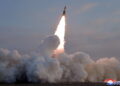
The Turkish Ministry of Defense reported that over 30 targets were “destroyed” during the aerial operation, although specific details regarding the locations targeted were not disclosed.
This military action followed shortly after alleged Kurdish militants detonated explosives and opened fire at the aerospace and defense company TUSAS (Turkish Aerospace Industries). According to Interior Minister Ali Yerlikaya, the two assailants—a male and a female—were also killed in the incident.
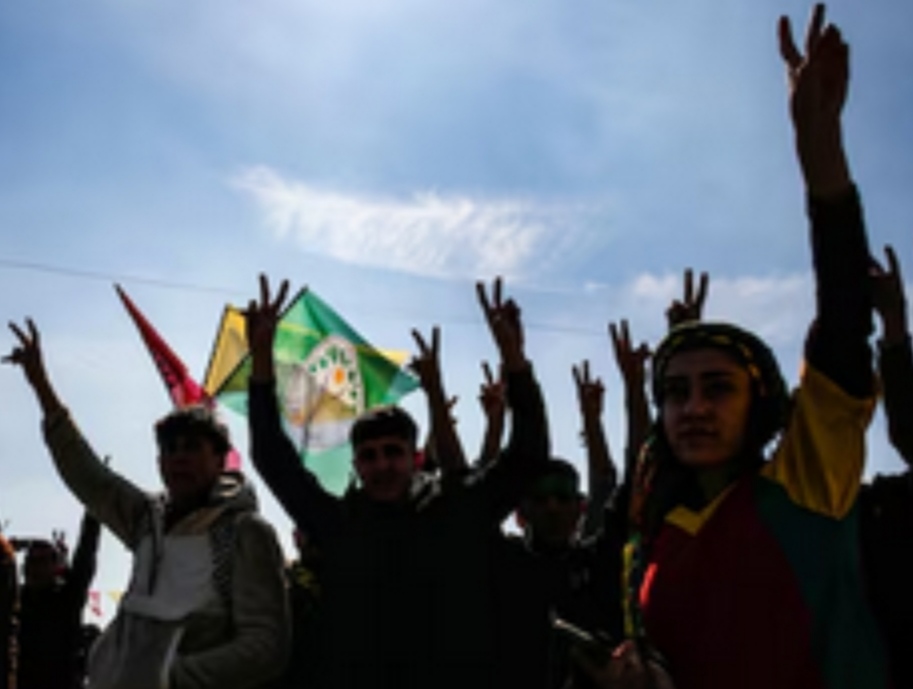
The Kurdistan Workers’ Party (PKK) is suspected to be responsible for the attack on the defense firm.
Turkish President Recep Tayyip Erdogan, who is currently attending the BRICS meeting in Russia with President Vladimir Putin, expressed his condemnation of the “heinous terrorist attack.”
Additionally, the Iraqi embassy in Ankara denounced the assault, reiterating Iraq’s strong stance against terrorism and extremism in all its forms, and expressing solidarity with the government and people of Turkey.
Who are the PKK Rebels?
The organization, established in the late 1970s and rooted in Marxist-Leninist ideology, initiated its campaign against the Turkish government in 1984, advocating for the creation of an independent Kurdish state within Turkey.
The conflict escalated significantly in the mid-1990s, resulting in the destruction of thousands of villages in the predominantly Kurdish southeastern and eastern regions of Turkey. This turmoil forced hundreds of thousands of Kurds to relocate to urban areas in other parts of the nation.
During the 1990s, the PKK moderated its stance, shifting from demands for full independence to seeking greater autonomy for the Kurdish population, while still engaging in armed conflict. A ceasefire was established in 2013 between the PKK insurgents and the Turkish government.
Currently, the PKK is attempting to solidify its presence in Iraq and Syria, where Turkey is striving to exert its influence amid a complex landscape of competing factions.
The PKK is designated as a terrorist organization by Turkey, the European Union, and the United States. Earlier this year, Iraq also imposed a ban on the PKK.