

















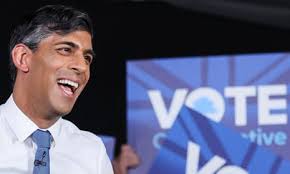
Mr Sunak, I believe you have performed adequately as a chancellor, but your performance as Prime Minister is rather average.
Sir Keir, I suspect that influential members of the Labour Party are exerting significant influence over you. Are the two of you truly the most qualified individuals to lead our nation? This was the inquiry posed by an elderly gentleman during the recent televised debate between the British Prime Minister and his primary opponent.
The question and others like it are the essence of campaigning in Britain, even if they are not televised. The electoral system, which has been in place since the first elections for the House of Commons in 1802, is well-established, organized, and efficient. In the week leading up to the election, one can come and go from the country without even realizing that an election is taking place.
Singer Taylor Swift’s three-day Eras tour in London attracted around 200,000 fans, including members of the Royal family, Hollywood celebrities, British stars, and even Labour Leader Keir Starmer, to Wembley Stadium. According to political analysts, it is unlikely that as many people would attend the election rallies of both Starmer and Sunak over the course of four weeks. It took me five days to see the first campaign placard, indicating that people are proudly declaring their voting intentions.
MPs fuel their campaigns with the help of placards, leaflets, letters of endorsement, and reminders of the petitions they have submitted in Commons on behalf of their constituents.
The campaign for four-time Conservative MP and Padma Shri recipient Bob Blackman is a meticulously planned and executed operation, with volunteers working in three shifts throughout the first four weeks of the campaign season.
They focus on canvassing and delivery, adding phone calls in the evening shift during the last week. The candidate and his councillors visit each house marked for them, with volunteers carrying a map and master voting sheet detailing voter information and household affiliations. This includes notes on voting preferences and previous communications from the MP or his team.
Zach, an IT professional leading the canvassing in the Kenton area, stated that they address and resolve issues, take note of the serious ones, and forward them to the campaign office. He mentioned that voters are forthcoming and express their preferences clearly. When asked about the authenticity of the feedback, Zach emphasized that voters speak their minds without any fear or compulsion, making their choices clear. He added that due to continuous feedback and interactions over the years, they are confident in the feedback provided.
For a constituency with around 76,000 votes, Blackman’s team consists of 250 volunteers and has an election expenditure cap of £18,000 or approximately ₹19 lakhs. This translates to roughly £4.2 or ₹450 per person in the constituency.
In the Blackman campaign office, a group of seven to eight volunteers is managing the distribution of leaflets. Every day, there are nine tables with approximately 20,000 letters and leaflets that need to be distributed.
There are seven leaflets that serve as reminders of the candidate’s accomplishments and future plans.
The campaign manager, who also serves as a local counselor, proudly states that by the end of the campaign, they will have delivered a quarter of a million letters and leaflets. Additionally, Bob or his team will have visited each of the 32,000 plus households in the constituency.
The training is extremely rigorous, ensuring that each candidate is fully aware of their position. The manager explains that the current political climate is unfavorable for the Conservatives, which is why the focus of their messaging revolves around Bob.
He emphasizes that the upcoming election will essentially be a referendum on Bob’s four terms in office. On the other hand, he mentions that the opposition party is running a similar campaign, with Labour being the central theme rather than the candidate.
Despite the surprising nature of the campaign, what is even more surprising is that July 4, the day of the election, is not considered a public holiday. The British citizens will have to carry on with their usual work routines while participating in the process of selecting their new leader.