

















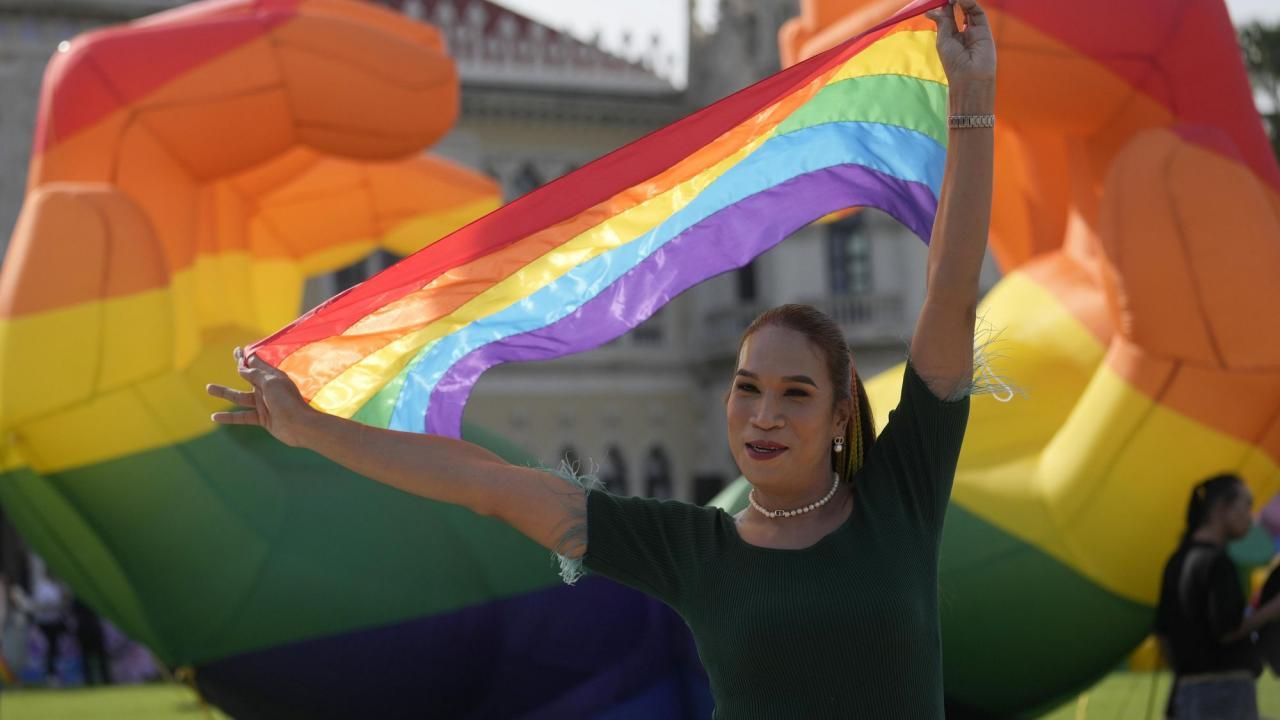
Thailand, a popular tourist destination known for its transgender community, is set to become a key player in a groundbreaking LGBTQ+ movement.
The recent approval of a marriage equality bill by Thai lawmakers marks a significant milestone in the country’s history. This legislation, which legalizes same-sex marriages, positions Thailand as the first southeast-Asian nation to take this progressive step. Following its passage in the House of Representatives on March 27, the bill is expected to be officially enacted after receiving royal endorsement from King Maha Vajiralongkorn in approximately 120 days and subsequent publication in the royal gazette.
The overwhelming support for the bill from upper-house lawmakers in Thailand underscores the growing momentum for marriage equality across the continent. While countries like Taiwan and Nepal have already legalized same-sex unions, Thailand’s move represents a significant advancement in LGBTQ+ rights in the region.
However, challenges persist in other parts of Asia. For instance, India has made strides towards recognizing same-sex marriages, while Indonesia continues to criminalize gay unions and even added extramarital sex to the list of punishable offenses in 2022. Meanwhile, Brunei has taken a regressive stance by threatening to impose the death penalty for gay sex.
Despite the passage of the Gender Equality Act in 2015, which aimed to protect individuals from discrimination based on sexual orientation, gender identity, and sex characteristics, Thailand still faces issues related to societal acceptance. Reports of targeted digital surveillance and online harassment against LGBTQ+ activists highlight the ongoing struggle for equality and inclusion in the country. This raises important questions about the true meaning of allyship and the role of societal attitudes in advancing LGBTQ+ rights.
Nepal witnessed its inaugural same-sex marriage in November 2023 when a transgender woman and a cisgender man formalized their union with the assistance of an interim order from the Supreme Court. In an interview with the BBC, Maya Gurung expressed, “The struggle for equal rights is arduous, but we have triumphed. It will undoubtedly be smoother for future generations.” The couple sought nothing extravagant, merely the fundamental privileges that any other couple would relish: a joint bank account, shared property ownership, and, most significantly, the opportunity to become parents through adoption.
In Taiwan, the journey towards marriage equality encountered numerous obstacles as Chi Chia-wei, a prominent advocate for LGBT rights, spearheaded the movement in the country. During an interview with CommonWealth Magazine, Chi stated, “In 1986, when I held the first international press conference to publicly come out, I carried two swords. One was to combat AIDS, and the other was to advance the human rights of gays.”
It was during the 1990s that Taiwan witnessed the establishment of its first nationwide gender rights organization, along with the inception of its initial lesbian organization named ‘Between Us.’ Fast forward to 2019, under the leadership of President Tsai Ing-wen, Taiwan enacted legislation for marriage equality. One year after the law’s passage, Tsai expressed on her official social media page, “The values we strive to safeguard still endure, while simultaneously allowing more individuals to embrace happiness together.”
While Thailand anticipates a promising future for its LGBTQ+ community, several other Asian countries continue to grapple with societal and generational taboos surrounding same-sex marriages and individuals within the queer community.