


















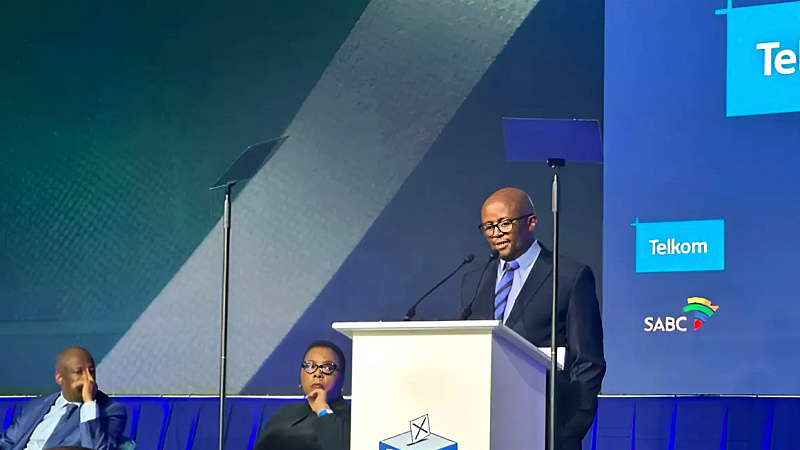
According to the electoral commission, the African National Congress (ANC) of South Africa emerged as the winner in the recent general election, securing 159 out of 400 seats in the National Assembly.
However, this outcome signifies a significant change for the ANC as it no longer holds an outright majority in parliament, a first since it took over power 30 years ago after apartheid and white minority rule. In the previous election in 2019, the ANC had a much stronger presence with 230 seats.
Taking the second position is the Democratic Alliance, a pro-business party led by the white community, which obtained 87 seats. A noteworthy development in this election is the emergence of a new party called uMkhonto we Sizwe (MK), meaning “spear of the nation” in the Zulu language. Supported by former president Jacob Zuma, this party secured 58 seats. On the other hand, the Economic Freedom Fighters, a radical left-wing party, came fourth with 39 seats.
In light of the ANC’s diminished majority, they have expressed their willingness to engage in discussions with all political parties to form a coalition government. This marks a potential shift in the political landscape of South Africa as various parties explore opportunities for cooperation and governance.