


















The recent analysis of a near-miss collision between two satellites in space has revealed that the situation was even more dangerous than initially believed.
In late February, NASA’s TIMED spacecraft and the defunct Russian Cosmos 2221 narrowly avoided crashing into each other, which could have resulted in thousands of space debris fragments in low Earth orbit.
Ground observations initially estimated that the satellites came within 20 meters of each other, but it has now been discovered that the distance was actually less than 10 meters.
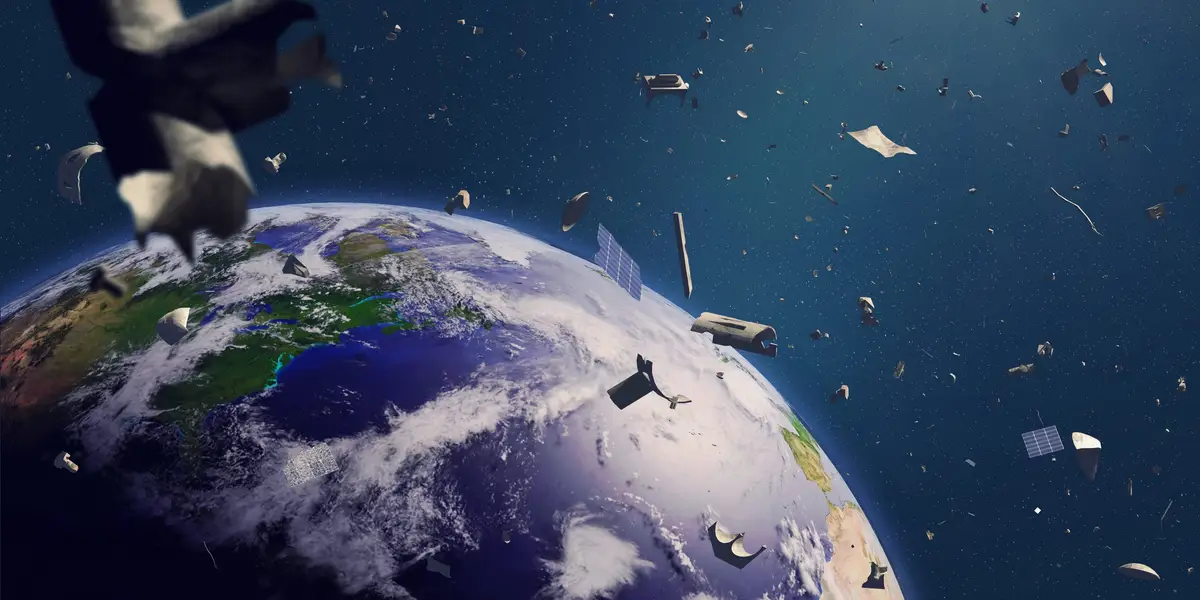
This revelation has raised concerns about the growing danger of space debris. If the satellites had collided, it would have caused significant debris generation, posing a risk to other spacecraft and potentially endangering human lives.
Currently, there are over 27,000 tracked pieces of orbital debris, and with the increasing number of spacecraft being launched into orbit, the risk of collision with space junk continues to grow.
The occurrence of spacecraft collisions in orbit has been extremely rare.
In 2009, a collision took place between Iridium 33, a U.S. communications satellite, and Kosmos-2251, a defunct Russian military satellite, at an altitude of approximately 490 miles (789 kilometers) above Siberia. Although measures are being taken to reduce the risks associated with space debris collisions, the recent near miss between these two satellites emphasizes the need for more proactive efforts to clean up Earth’s orbit.