


















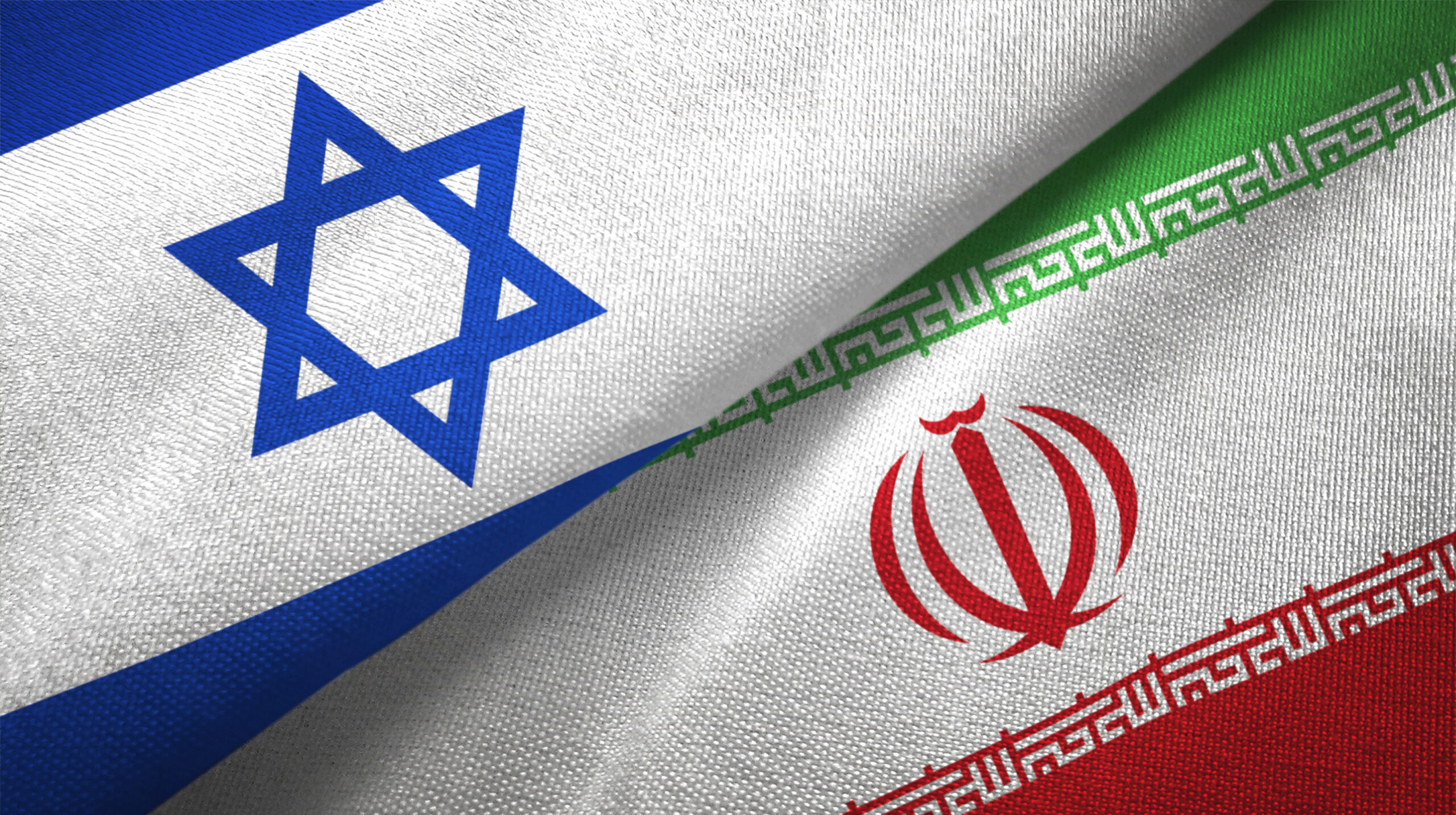
Israel declared on Monday that it will not allow Iran to ‘establish the equation’ in the West Asian region and emphasized that the missile barrage on Saturday will not be left unanswered.
This has led to fears of a potential wider regional conflict, despite Israel’s efforts to reassure the international community that it will not escalate the situation.
According to reports from the US, Israel may be considering targeting Iranian proxies in the region.
US broadcaster NBC, citing four US officials, suggested that Israel might choose to strike key targets outside of Iran as a limited retaliation.
The US officials based their assessment on conversations with Israeli officials, indicating that Israel’s response could be less aggressive due to the minimal damage caused by the Iranian attack.
However, the Israeli war cabinet, established after the October 7 Hamas-led attacks, stated on Monday morning that the response to the missile barrage will be directed at Iran ‘clearly, forcefully’.
Abolfazl Amoui, spokesperson for Iran’s National Security and Foreign Policy Committee, also mentioned that Iran is ready to use previously unused weapons to address any potential escalation by Israel.
Iran’s interception of over 300 suicide drones and missiles has provided valuable insights into how Israel, the US, and their allies countered the attack.
Jonathan Schanzer, a researcher at the Foundation for Defense of Democracies in Washington, highlighted that Iran was testing not only the missile-defense system but also the determination of the US and other regional countries.
While Iran has the backing of Lebanon and Yemen, along with its proxy militias, Israel must also consider the concerns of allies like Jordan, Saudi Arabia, and the UAE.
Despite their criticism of Israel’s treatment of Palestinians and its conflict with Hamas, these countries share a common dislike for Iran.