


















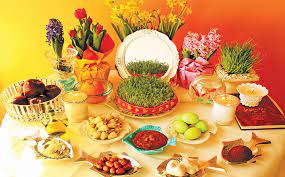
Nowruz, signifying “new day” in Farsi, is a historic Zoroastrian festival celebrated by more than 300 million individuals globally. It marks the commencement of the Iranian Solar Hijri calendar and typically falls between March 19th and March 21st, close to the spring equinox. This lively festival is observed in Silk Road nations like Iran, Afghanistan, Azerbaijan, and Turkey.
Nowruz, with its origins dating back more than 3,000 years to Zoroastrianism in ancient Iran, symbolizes the rejuvenation of nature and the onset of spring in the Northern Hemisphere. Celebrated across Western Asia, Central Asia, and South Asia, it signifies the victory of good over evil and happiness over sorrow. Recognized by UNESCO, Nowruz promotes global harmony by fostering peace, unity, and cultural interchange.
In 2010, the United Nations formally acknowledged the International Day of Nowruz, underscoring its significance in cultural preservation and worldwide peace. Traditional practices include fire and water ceremonies, dances, and gift-giving. The ‘haft-sin’ custom lies at the core of the revelries, where families arrange seven symbolic items representing rebirth and vitality.
Nowruz celebrations are marked by a variety of rituals and customs. Families gather to visit each other and partake in feasts, strengthening relationships and nurturing a sense of togetherness. A symbolic gesture during Nowruz involves casting sprouts into flowing water, symbolizing the discarding of the previous year’s challenges and embracing a fresh start.
Individuals also venture into the countryside for picnics, reveling in nature’s beauty and the promise of a new cycle. In essence, Nowruz embodies the essence of renewal and optimism, providing a period for contemplation, merriment, and the excitement of new beginnings for millions worldwide.