


















Islamabad has allegedly proposed a contentious arrangement to the United Kingdom: Pakistan would accept the return of convicted British-Pakistani members of the Rochdale grooming gang, provided the UK repatriates two prominent political dissidents residing there.
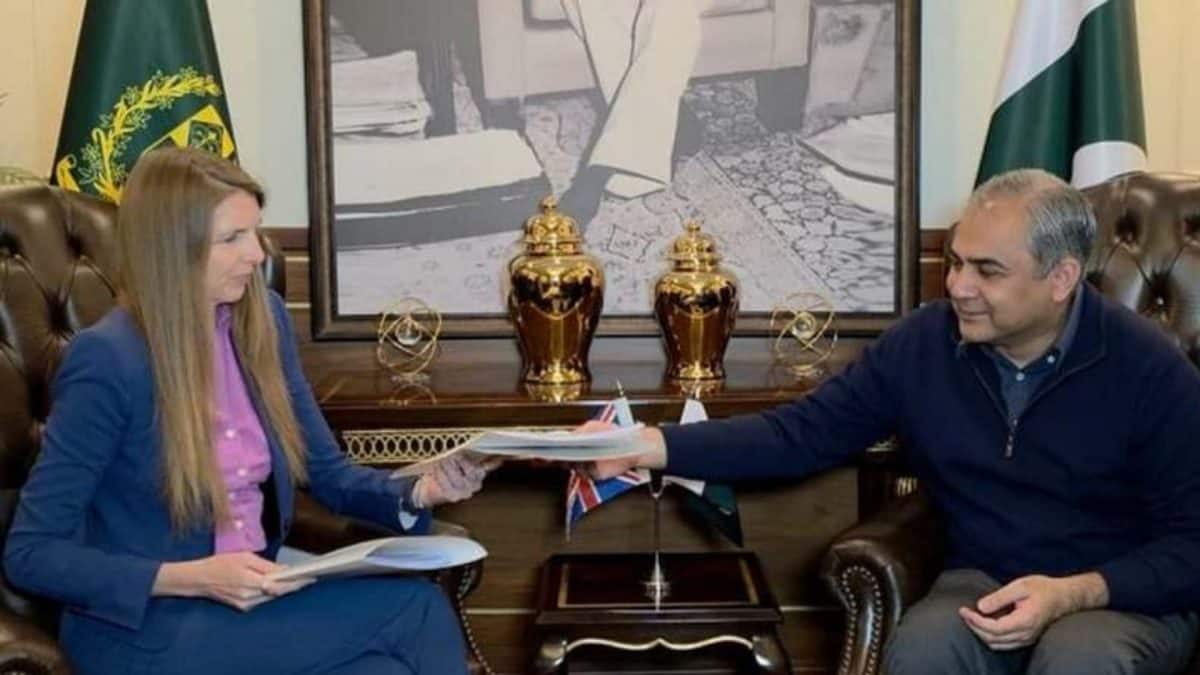
This proposal was deliberated during a private meeting between Mohsin Naqvi, Pakistan’s Interior Minister, and Jane Marriott, the UK High Commissioner. While official communications referenced “security cooperation” and initiatives to combat “fake news,” sources indicate that the primary focus of the discussions centered on a quid pro quo arrangement: Pakistan would assist in issuing travel documents for Pakistani-origin sex offenders whose British citizenship had been revoked, in exchange for the UK surrendering former federal minister Shehzad Akbar and UK-based commentator and former army officer Adil Raja.
Pakistan has formally requested the UK to extradite Adil Raja and Shehzad Akbar.
Interior Minister Mohsin Naqvi presented substantial evidence to British High Commissioner Jane Marriott, highlighting their participation in anti-state activities.@MohsinnaqviC42 @JaneMarriottUK@ukinpakistan #UK pic.twitter.com/7PWAs250jn
For years, the UK has faced challenges in deporting several members of the grooming gang who were convicted of sexual abuse and trafficking. Despite having their British citizenship revoked in 2018, Pakistan has declined to accept them—many had renounced their Pakistani nationality, leading to a state of legal uncertainty.
If this agreement is finalized, it would represent a significant shift and potentially provide a political advantage for London.
In return, Pakistan is seeking custody of Akbar and Raja, both of whom are outspoken critics of the military establishment in the country. The Pakistani government claims that the two are accused of disseminating “anti-state propaganda” while living in the UK. “Both individuals are wanted in Pakistan. They should be handed over to Pakistan without delay,” Naqvi reportedly stated to Marriott during their discussion.
Nevertheless, the suggested agreement encounters prompt legal challenges. The United Kingdom does not possess a standard extradition treaty with Pakistan, and British courts typically reject extradition requests that seem to be politically motivated or where individuals may face persecution.
The exchange has been criticized as a clear instance of “transnational repression,” equating political dissidents with convicted child offenders.