

















The Communist Party of China (CPC) has declared that it will convene its fourth plenary session from October 20 to 23 in Beijing, a meeting anticipated to outline the trajectory for the nation’s forthcoming five-year development plan.
This assembly occurs at a pivotal moment as China seeks to reconcile domestic priorities with escalating global challenges, particularly its rivalry with the United States.
The Politburo, presided over by President Xi Jinping, convened on Monday to evaluate a draft of the 15th five-year plan, which will span from 2026 to 2030. As reported by state media, the document is set to undergo additional revisions prior to its formal endorsement at the plenum next month. Once ratified, the plan will be presented to the annual legislative session in March for final approval.
Five-year plans have historically functioned as frameworks for China’s economic and social policies. With the 14th plan now nearing its conclusion, the upcoming phase is anticipated to emphasize technological innovation, sustainable development, and the enhancement of domestic resilience. Party leaders have consistently highlighted the significance of new quality productive forces to advance industrial modernization while preparing for uncertainties in the external landscape.
The Central Committee’s plenum will assemble over 370 members, including high-ranking policymakers, government officials, and military representatives. The session is also expected to witness alterations in the committee’s composition, as several members have recently been investigated or dismissed due to corruption allegations. At least eight officials have already been implicated, adding a layer of political sensitivity to the gathering.
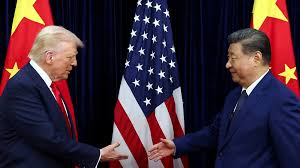
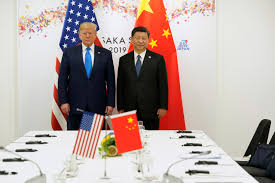
The timing of the plenum is significant, as it occurs shortly before Xi Jinping’s anticipated participation in the Asia-Pacific Economic Cooperation summit in South Korea, where he is expected to engage with US President Donald Trump. In this context, the CPC is likely to emphasize internal strength, unity, and long-term planning to effectively address both domestic reforms and global challenges.