


















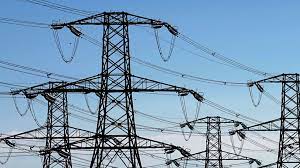
Electricity usage in Tajikistan is restricted for approximately six months each year due to the challenges posed by its aging energy infrastructure, which is unable to meet the increasing demand.
Tajikistan has enacted a law imposing 10-year prison sentences for the unlawful use of electricity, as the nation grapples with a prolonged energy crisis exacerbated by water shortages in this impoverished Central Asian state.
Electricity usage in Tajikistan is restricted for approximately six months each year, as the aging energy infrastructure fails to meet the increasing demand.
On Saturday, the country’s Ministry of Energy and Water Resources announced new measures to establish “criminal liability for breaches of electricity usage regulations.”
Reflecting the stringent control over media and information dissemination in the country, this announcement was only covered by independent media outlets on Monday.
According to the new regulations, individuals attempting to disconnect or circumvent an electricity meter could face up to a decade in prison.
Tajikistan, a former Soviet republic, is governed by President Emomali Rakhmon, who has been in power since 1992 and previously managed a state farm.
Justice Minister Rustam Shoemurod stated earlier in April that those who tamper with meter readings or bypass them to evade payments are “significantly harming the nation’s economic interests.”
The lack of water necessary for hydroelectric plants, which account for approximately 95 percent of Tajikistan’s electricity production, has resulted in years of frequent power outages.
In March, Rakhmon expressed his concerns regarding the inefficient use of electricity in a country where the average salary is under $240.
He is advocating for the massive Rogun hydroelectric power plant as a potential remedy for the energy crisis.
Originally proposed in the 1970s during the Soviet era, the project faced numerous delays due to the collapse of the Soviet Union and the civil war in Tajikistan during the 1990s.
Rakhmon’s initiative, revived in the 2000s, has encountered escalating costs, now estimated to exceed $6 billion.