


















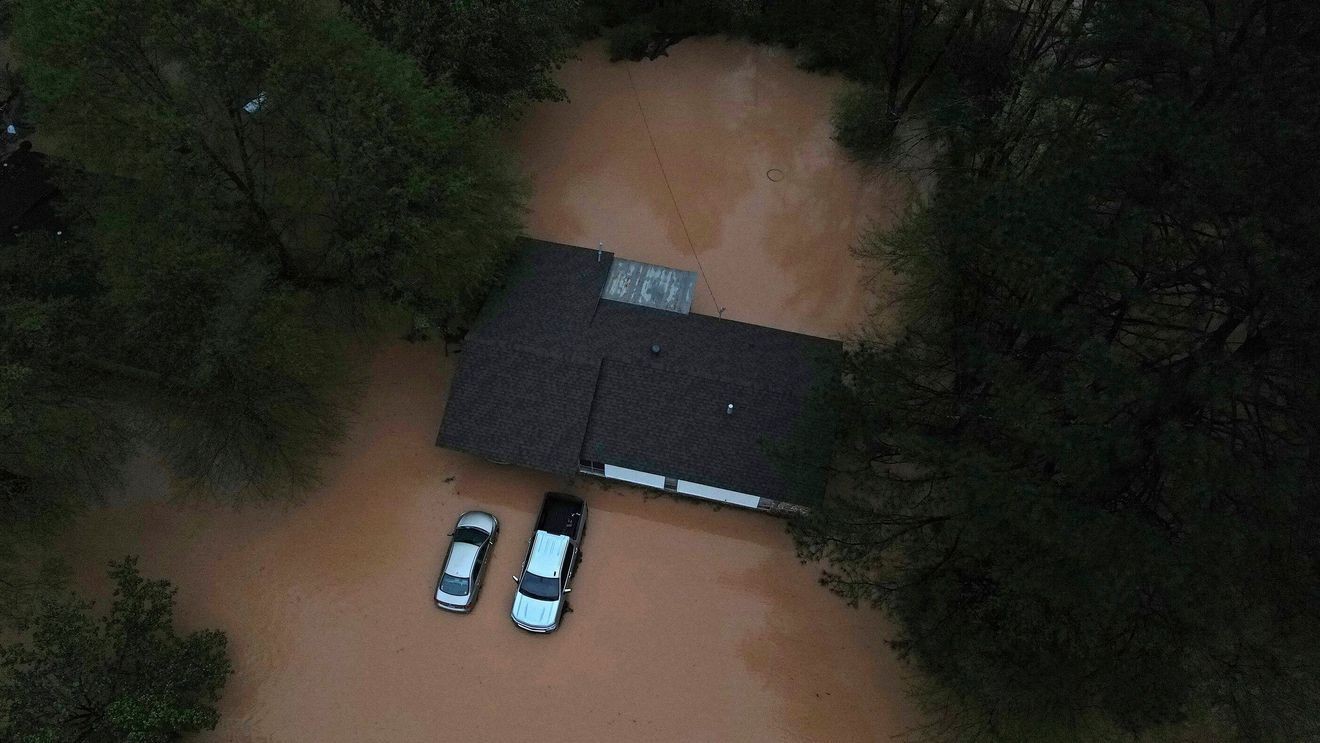
A new surge of heavy rainfall and flash flooding has affected regions in the South and Midwest, exacerbating the damage caused by several days of intense storms that have already saturated numerous areas and resulted in fatal tornadoes. Meteorologists have cautioned that river levels in certain areas are anticipated to continue rising in the days ahead.
Severe thunderstorms and flooding in the Southern and Midwestern regions of the United States have resulted in the deaths of at least 17 individuals, including children, since Wednesday, as reported by various media outlets.
The National Weather Service (NWS) has issued alerts for additional “severe” flash flooding expected in the coming days. A series of intense storms, spanning from Arkansas to Ohio, has led to extensive damage, including the destruction of buildings, inundated roadways, and the formation of numerous tornadoes over the past week.
Tennessee has experienced the most significant impact from this extreme weather, with state officials reporting that 10 fatalities have occurred in the western part of the state alone.
On Saturday, FlightAware.com reported the cancellation of 521 flights and delays affecting over 6,400 flights within the U.S. or involving international travel. Early Sunday, there were 74 cancellations and 478 delays for U.S. flights.
Interstate commerce may also face disruptions. The severe flooding affecting key cargo routes in Louisville, Kentucky, and Memphis could result in delays in shipping and supply chains, according to Jonathan Porter, chief meteorologist at AccuWeather.
This situation arises at a time when nearly half of the NWS forecast offices are experiencing vacancy rates of 20%, a figure that has doubled compared to a decade ago due to job cuts during the Trump administration.
Louisville Mayor Craig Greenberg stated on Saturday that the Ohio River had risen 5 feet (approximately 1.5 meters) within 24 hours and is expected to continue rising for several days.
“We anticipate this will rank among the top 10 flooding events in Louisville’s history,” he remarked.