


















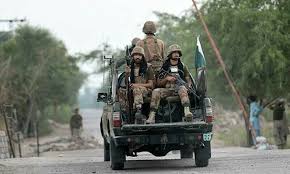
In 2024, Pakistan faced one of its most lethal years in recent memory, with violence resulting in the deaths of security personnel, civilians, and militants. The Centre for Research and Security Studies (CRSS) reported that the nation experienced over 2,500 fatalities, representing a remarkable 66 percent increase from 2023 and the highest death toll in a decade. This escalation in violence significantly affected areas such as Khyber Pakhtunkhwa (KP) and Balochistan, further deteriorating Pakistan’s already precarious security landscape.
The CRSS report reveals a dire overview of the security conditions in Pakistan for 2024. A total of 2,546 individuals lost their lives due to violence, with 1,612 of these being civilians and security personnel, accounting for more than 63 percent of the overall fatalities.
In contrast, 934 militants and criminals were killed during counter-terrorism operations. This disparity underscores the severe impact on civilians and security forces amidst the ongoing conflict. As reported by The Tribune, the escalating violence indicates that civilians are increasingly becoming collateral damage as militants persist in their activities without restraint.
The most significant impact was felt in Khyber Pakhtunkhwa (KP) and Balochistan.
In 2024, KP and Balochistan experienced the majority of violence, representing 94 percent of all fatalities and 89 percent of violent incidents, according to data from the Center for Research and Security Studies (CRSS). The districts of KP that share a border with Afghanistan, including Kurram, North Waziristan, and Khyber, were particularly affected.
These regions have historically faced challenges related to militant activities, a situation that deteriorated following the Taliban’s resurgence in Afghanistan. Reports from Dawn indicate that these border areas have transformed into hotspots for insurgents, facilitating their movement across borders.
Balochistan also experienced a significant escalation in violence. The Tribune notes that the death toll in the province for 2024 was nearly equal to the total fatalities recorded over the previous three years (2021–2023). This concerning trend underscores the increasing severity of insurgent operations. Separatist factions, such as the Baloch Liberation Army (BLA), have taken advantage of the instability in Afghanistan, exacerbating the regional conflict.
Increase in Terrorist Incidents
According to the CRSS report, Pakistan experienced 1,166 violent incidents in 2024, which included both terrorist attacks and counter-terrorism operations. The number of terrorist attacks, totaling 909, far exceeded the 257 security operations conducted.
The Tribune highlights that this disparity underscores the difficulties faced by Pakistan’s military in addressing the threats posed by well-organized, cross-border militant organizations. Despite a series of military initiatives, the rising frequency of attacks indicates that militants have adapted their strategies to evade direct confrontations, employing more sophisticated tactics against both civilian and military targets.
The revival of militancy that commenced in 2021 gained traction in 2024, largely influenced by the Taliban’s resurgence in Afghanistan. Dawn attributes this trend to the presence of safe havens for militant groups on both sides of the Afghan-Pakistan border. Organizations such as the Tehrik-i-Taliban Pakistan (TTP) have found motivation in the Taliban’s achievements, leading to an uptick in their activities within the region.
In 2024, the loss of 685 security personnel marked the deadliest year for Pakistan’s forces in a decade. Despite the elimination of 934 militants during counter-terrorism operations, the significant increase in security personnel fatalities raises concerns regarding the efficacy of these initiatives. According to The Tribune, the rising number of casualties, particularly in Khyber Pakhtunkhwa (KP) and Balochistan, underscores a deteriorating security situation.
Escalating Insurgency Impact
The insurgency in Balochistan intensified in 2024, with ethnic separatists and Islamist militants amplifying their violent activities. Separatist groups increasingly targeted civilian infrastructure and government facilities, while their alliances with transnational militant organizations further exacerbated the conflict.
In KP and the tribal regions, the Tehrik-i-Taliban Pakistan (TTP) expanded its operations, resulting in increased civilian and military casualties. Following the Taliban’s resurgence in Afghanistan, the TTP has reorganized and strengthened its position, leaving Pakistan grappling with the challenges of restoring security and stability.