

















India has advocated for de-escalation and a return to dialogue and diplomacy in the context of both the Israel-Hamas conflict and tensions between Iran and Israel.
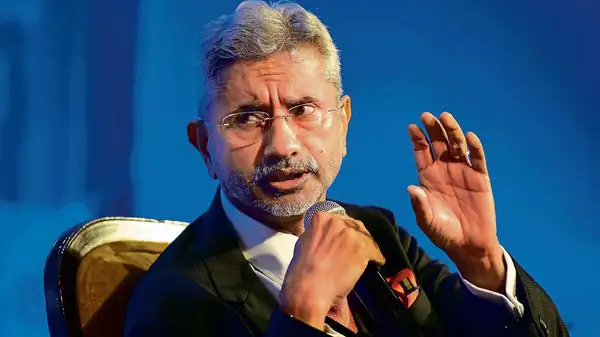
External affairs minister S Jaishankar, in separate phone conversations with his Iranian and Israeli counterparts on Sunday, conveyed India’s concerns over the situation in West Asia and emphasized the need to avoid escalation.
Earlier today, India expressed serious concern about the increase in hostilities in West Asia and called for immediate de-escalation after Iran carried out its first-ever direct attack on Israel by launching hundreds of drones and missiles on Saturday.
Jaishankar initially spoke to Iranian foreign minister Hossein Amir-Abdollahian on Sunday evening and discussed the “current situation in the region”. “Stressed the importance of avoiding escalation, exercising restraint, and returning to diplomacy,” Jaishankar said.
He then conversed with Israeli foreign minister Israel Katz and shared India’s concern at the developments on Saturday. Jaishankar and Katz also discussed the broader regional situation.
During his discussion with Amir-Abdollahian, Jaishankar also raised the issue of the release of 17 Indian crew members of MSC Aries, a cargo vessel seized by Iranian forces early on Saturday.
The Indian side mentioned that they were in contact with Iranian authorities to ensure the security and early release of the 17 Indian nationals among the 25-member crew of the cargo ship seized by a special forces unit of the Islamic Revolutionary Guard Corps (IRGC) in the Gulf of Hormuz, about 80 km off the coast of the United Arab Emirates (UAE).
Jaishankar and his Iranian and Israeli counterparts agreed to maintain communication.
New Delhi has expressed growing concern over the Israel-Hamas conflict and the recent rise in tensions between Iran and Israel. West Asia is home to approximately nine million Indian expatriates, and India is apprehensive about the potential impact of any escalation of the conflict in the region on them.
Saudi Arabia, Iraq, and the UAE, which are located in West Asia, are significant contributors to India’s energy supply.
In response to an Israeli airstrike on an Iranian diplomatic complex in Damascus on April 1, Iran retaliated by launching drones and missiles. This attack resulted in the death of seven individuals, including a high-ranking general of the IRGC.
India, maintaining strategic relationships with both Iran and Israel, has been advocating for de-escalation and a return to peaceful dialogue and diplomacy. This stance applies to both the Israel-Hamas conflict and the tensions between Iran and Israel.
To ensure the safety of its citizens, the Indian government issued an advisory on Friday, advising against travel to Iran or Israel. Additionally, Indian nationals residing in these countries are urged to exercise utmost caution for their own well-being.